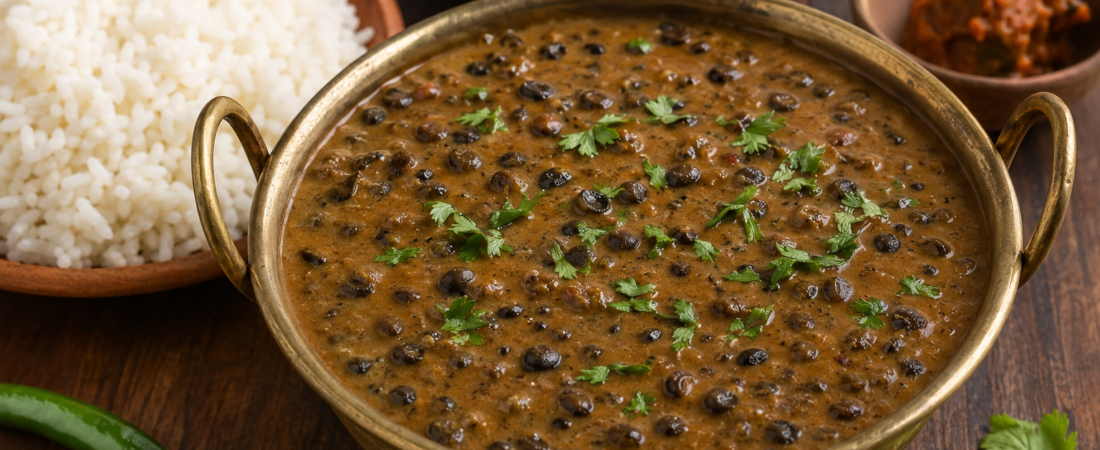
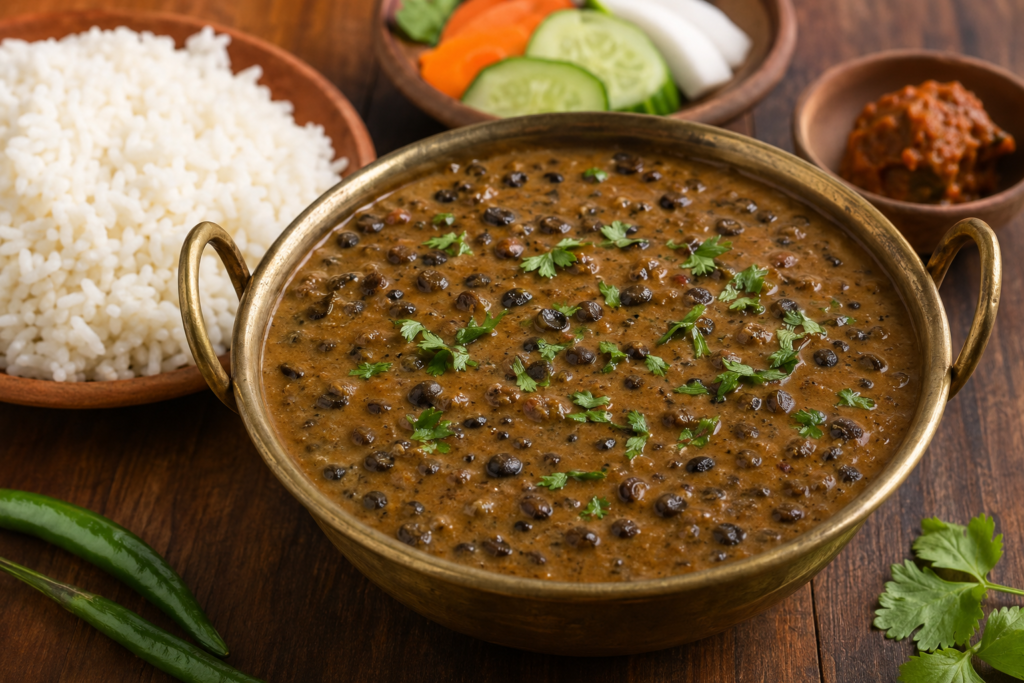
Bhatt Ki Chudkani is one of the most distinctive traditional dishes of Uttarakhand, particularly associated with the Kumaon region. Prepared from Bhatt; a locally grown variety of black soybean, it reflects the Himalayan tradition of creating nutritious meals from ingredients cultivated in mountain farms. Unlike many lentil-based curries found across India, Chudkani has a naturally earthy flavor, a rich consistency, and a cooking technique that gives it a unique identity in Kumaoni cuisine.
Today, Bhatt Ki Chudkani is regarded as one of Uttarakhand’s signature foods and continues to be prepared in homes, local eateries, and cultural festivals celebrating the state’s culinary heritage.
What is Bhatt?
Bhatt is a traditional variety of black soybean (Glycine max) grown in the hill districts of Uttarakhand. It has been cultivated for generations because it adapts well to the region’s cool climate and terraced farming conditions. Compared to commonly available yellow soybeans, Bhatt has a darker seed coat and a stronger, nuttier flavor. For centuries, hill communities have relied on Bhatt as an important source of plant-based protein, especially in areas where fresh vegetables were seasonal and animal protein was not always readily available.
The Origin of Chudkani
Bhatt Ki Chudkani originated in the Kumaon region of Uttarakhand. The dish developed as part of the traditional mountain diet, where locally grown grains and pulses formed the foundation of everyday meals. Its preparation differs from ordinary lentil curries. The Bhatt beans are first roasted in mustard oil until they begin to crack slightly. Wheat flour is then roasted with the beans, creating the characteristic thick gravy. Water and basic spices are added, and the mixture is simmered until the beans become tender.
This simple cooking process transforms a handful of locally available ingredients into a filling and nutritious meal.
Traditional Ingredients
Although recipes vary slightly from one household to another, authentic Bhatt Ki Chudkani generally includes:
- Black soybean (Bhatt)
- Mustard oil
- Wheat flour
- Garlic
- Green chillies
- Cumin seeds
- Turmeric
- Coriander powder
- Red chilli powder (optional)
- Salt
- Fresh coriander leaves
Many traditional Kumaoni households intentionally keep the spice profile simple so that the natural flavor of Bhatt remains the highlight of the dish.
How It Is Traditionally Served
Bhatt Ki Chudkani is most commonly served with steamed rice (bhaat), making it a complete and satisfying meal. In many Kumaoni homes, it is accompanied by seasonal vegetables, pickle, radish salad, or traditional chutneys prepared from local ingredients. The dish is especially popular during the colder months because it is warm, hearty, and filling.
Nutritional Value
The primary ingredient, black soybean, is naturally rich in:
- Plant protein
- Dietary fibre
- Iron
- Calcium
- Potassium
- Magnesium
Soybeans also contain several essential amino acids, making them one of the most nutritious legumes. When combined with rice, Bhatt Ki Chudkani provides a balanced meal that has traditionally supported the nutritional needs of people living in Uttarakhand’s mountainous terrain.
A Reflection of Himalayan Food Culture
Bhatt Ki Chudkani represents the practical wisdom of Himalayan cooking. Mountain communities have historically relied on crops that could thrive in difficult terrain while providing maximum nutrition. Rather than using elaborate ingredients, traditional Kumaoni cuisine emphasizes seasonal produce, locally grown pulses, and uncomplicated cooking methods.
The dish also demonstrates the importance of preserving indigenous crops such as Bhatt, which remain closely connected to Uttarakhand’s agricultural heritage and food traditions.
Cultural Importance
Bhatt Ki Chudkani is more than a regional recipe; it is a part of Uttarakhand’s culinary identity. Families continue to prepare it using recipes passed down through generations, and it frequently appears during local food festivals and cultural events that promote traditional Kumaoni cuisine.
As interest in regional Indian foods continues to grow, Bhatt Ki Chudkani has gained recognition beyond Uttarakhand for its distinctive taste, nutritional value, and authentic Himalayan roots.
Conclusion
Bhatt Ki Chudkani is a classic example of how simple local ingredients can create an enduring culinary tradition. Made from black soybeans grown in the Himalayan hills, the dish combines nutrition, sustainability, and regional heritage in every serving. Its earthy flavour, wholesome composition, and deep connection to Kumaoni culture make it one of Uttarakhand’s most celebrated traditional foods and an important symbol of the state’s rich gastronomic legacy.